By Steve
September 9, 2026
Understanding health risks associated with lead in historical properties helps homeowners appreciate the necessity of specialized trade procedures. Older residential structures frequently conceal hazardous surface layers beneath decades of fresh paint, making proper care critical during renovation. Qualified painting contractors bring essential technical knowledge to these delicate projects, ensuring historic features are safely refreshed without exposing families to toxic dust.
When dealing with legacy housing, simple cosmetic upgrades can quickly turn into health hazards if handled improperly. Engaging certified experts shields residents from microscopic airborne particles and toxic debris created during routine surface preparation. Professional restoration teams utilize systematic containment methods, specialized tools, and regulated disposal protocols that protect interior living areas and exterior surroundings.
Understand Lead Paint Risks in Older Properties
Recognizing the widespread historical usage of toxic pigments is the initial step in managing structural health. Data according to the EPA indicates that lead-based paint is present in 87% of homes constructed prior to 1940, though this figure drops to 24% for residences built between 1960 and 1978. Because older properties carry such a heavy prevalence of toxic materials, specialized painting contractors approach every project with extreme caution and specialized diagnostic procedures.
Exposure to toxic debris carries significant health consequences for residents, particularly young children and pregnant mothers. Ingesting or inhaling fine particles can trigger severe neurological issues, cognitive delays, developmental impairments, and long-term physical ailments. Adults facing prolonged exposure can suffer from elevated blood pressure and systemic reproductive damage, turning surface management into a vital health priority.
Attempting non-professional remediation or do-it-yourself renovations often accelerates exposure risks rather than eliminating them. Untrained individuals frequently generate widespread dust clouds through dry sanding, scraping, or uncontained heating methods. Without commercial filtration and strict isolation barriers, self-directed projects inevitably spread invisible hazards throughout living quarters, rendering rooms unsafe for occupancy.
Assess Initial Conditions Through Professional Testing
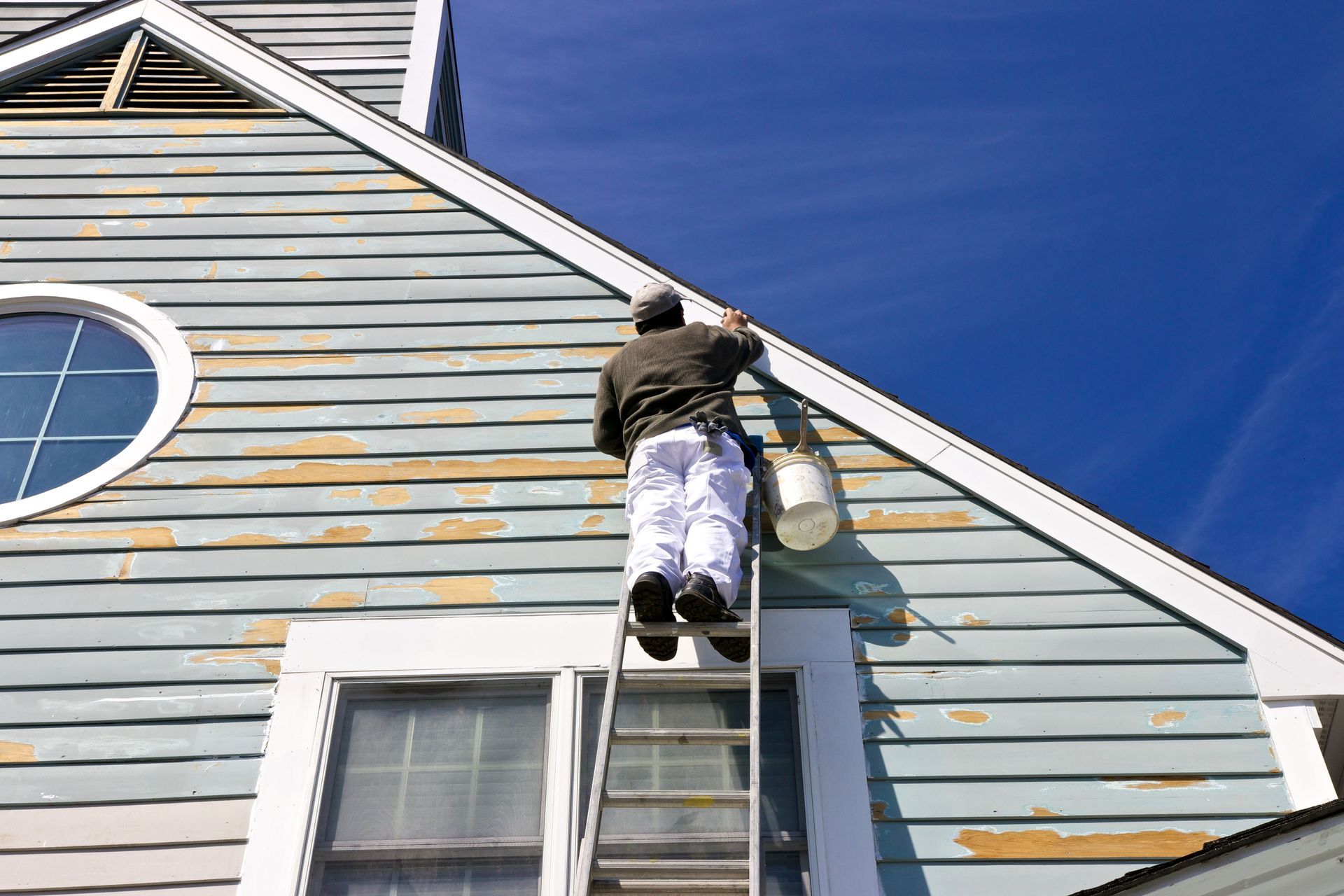
Evaluating a structure begins with an exhaustive visual inspection conducted across all interior and exterior surfaces. Experienced painting contractors examine historic woodwork, window sills, door frames, and architectural moldings for distinct signs of coating deterioration. Telltale patterns like alligatoring signal deep-seated structural layers that require cautious handling and immediate professional attention.
Following visual evaluations, technicians deploy advanced diagnostic instruments to verify hazardous material concentration without damaging historic surfaces. Portable X-ray fluorescence analyzers allow specialists to scan underlying paint layers instantly, measuring metal concentrations accurately beneath several coats. Traditional chip sampling supplements these non-invasive scans when lab verification is required, providing clear data regarding toxic liabilities.
Determining the precise scope of contamination allows specialists to draft tailored operational strategies. Painting contractors assess whether surface layers remain firmly intact or exhibit active peeling, flaking, and severe chalking. This detailed diagnostic process clarifies whether complete removal, physical enclosure, or surface stabilization represents the safest path forward, allowing project leaders to outline clear timelines and protective protocols.
Establish Secure Containment Zones and Work Environments
Isolating active work zones forms the foundational defense against cross-contamination throughout a residence. Professional crews install heavy plastic sheeting across doorways, air vents, windows, and floor surfaces to create sealed containment chambers. By isolating the immediate work environment, technicians prevent hazardous particles from escaping into clean residential zones or HVAC ductwork.
Equipping crew members with specialized personal protective equipment remains a mandatory safety standard during high-risk containment projects. Technicians wear full-body coveralls, specialized gloves, and protective eyewear alongside respirator systems fitted with high-efficiency filters. These strict gear protocols safeguard workers from inhaling airborne particles while ensuring technicians do not track toxic dust into uncontained areas.
Deploying specialized equipment engineered for dust control drastically reduces airborne contamination inside sealed workspaces. Professional painting contractors utilize wet-sanding tools, shrouded scrapers, and vacuum-assisted power devices designed to capture debris directly at the point of surface contact. Liquid misting keeps loose particles heavy and damp, preventing hazardous materials from floating into ambient air during necessary scraping operations.
Apply Modern Lead Paint Mitigation Techniques
Employing wet scraping and manual sanding strategies remains one of the most effective ways to suppress hazardous airborne particles. Saturating painted surfaces with water or specialized chemical misting agents keeps paint soft and damp, effectively trapping fine particulates before they become airborne. This damp preparation method allows technicians to strip loose, flaking layers safely without generating dangerous dust clouds.
Applying encapsulation and enclosure solutions provides a reliable alternative when total paint removal proves impractical or structurally risky. Encapsulation utilizes heavy-duty liquid coatings that bond with existing layers, sealing underlying toxic materials beneath a durable barrier. Enclosure strategies involve covering hazardous surfaces with new physical materials, such as drywall or paneling, physically isolating old paint from daily human contact.
Utilizing specialized chemical strippers offers another efficient method for removing stubborn, multi-layered paint without generating dry dust. Modern chemical formulations break down tough historic paint layers into a manageable paste that technicians can scrape away cleanly. Knowledgeable painting contractors evaluate each surface carefully to select the safest chemical or controlled mechanical stripping method for delicate trim, exterior masonry, or complex woodwork.
Perform Rigorous Cleanup and Final Safety Verification
Executing thorough post-project cleaning procedures ensures that work zones are completely free of residue. Specialized teams systematically vacuum every surface using industrial HEPA equipment before performing multi-stage wet wipes with detergent solutions. Crews clean walls, window troughs, floors, and baseboards repeatedly, working methodically from top to bottom to guarantee that no fine particles remain.
Verifying site safety requires rigorous clearance testing before containment barriers are removed and rooms are reopened for general occupancy. Independent environmental inspectors frequently collect dust wipe samples from floors and sills to verify that lead levels fall well within legal safety thresholds. This objective verification confirms that remediation efforts were completely successful and that the home environment is entirely safe for residents.
Issuing formal compliance documentation provides property owners with verifiable proof of safe remediation. Certified painting contractors present detailed records confirming that all hazards were handled in full compliance with environmental standards. This documentation offers valuable peace of mind for families while serving as essential proof of proper maintenance during future real estate transactions.
Educate Property Owners on Long-Term Safety Maintenance
Educating property owners on ongoing surface monitoring ensures that restored environments remain safe over time. Technicians teach homeowners how to conduct routine visual checks on high-friction areas like door jambs and sliding window sills, where paint abrasion can recur. Identifying early signs of wear allows residents to address minor chipping promptly before hazardous dust can accumulate again.
Providing practical advice regarding proper cleaning routines helps maintain a pristine interior environment long after project completion. Homeowners are advised to use wet microfiber cloths and HEPA-filtered vacuums rather than dry sweeping or standard dusting, which can recirculate settled particles. Following these simple maintenance protocols helps preserve surface seals and protects indoor air quality across every season.
Connecting clients with localized health resources and public support networks empowers families to stay proactive about environmental safety. Industry experts encourage property owners to keep thorough documentation of all historical remediation work and maintenance activities. By maintaining organized records and staying informed, homeowners effectively protect their property investments while guaranteeing a healthy living space.
Mitigating toxic paint hazards in historic homes requires specialized knowledge, advanced equipment, and uncompromised safety protocols. Qualified professionals play an indispensable role in transforming potentially dangerous properties into safe, beautiful living spaces through meticulous containment, precise removal techniques, and comprehensive post-work cleanup.
By prioritizing health compliance and professional oversight, homeowners can preserve the timeless charm of older architecture without endangering their loved ones. When you are ready to update and secure your historic property, contact us at MasterCraft Painting and Finishes to schedule a consultation and protect your residence with our expert safety services.